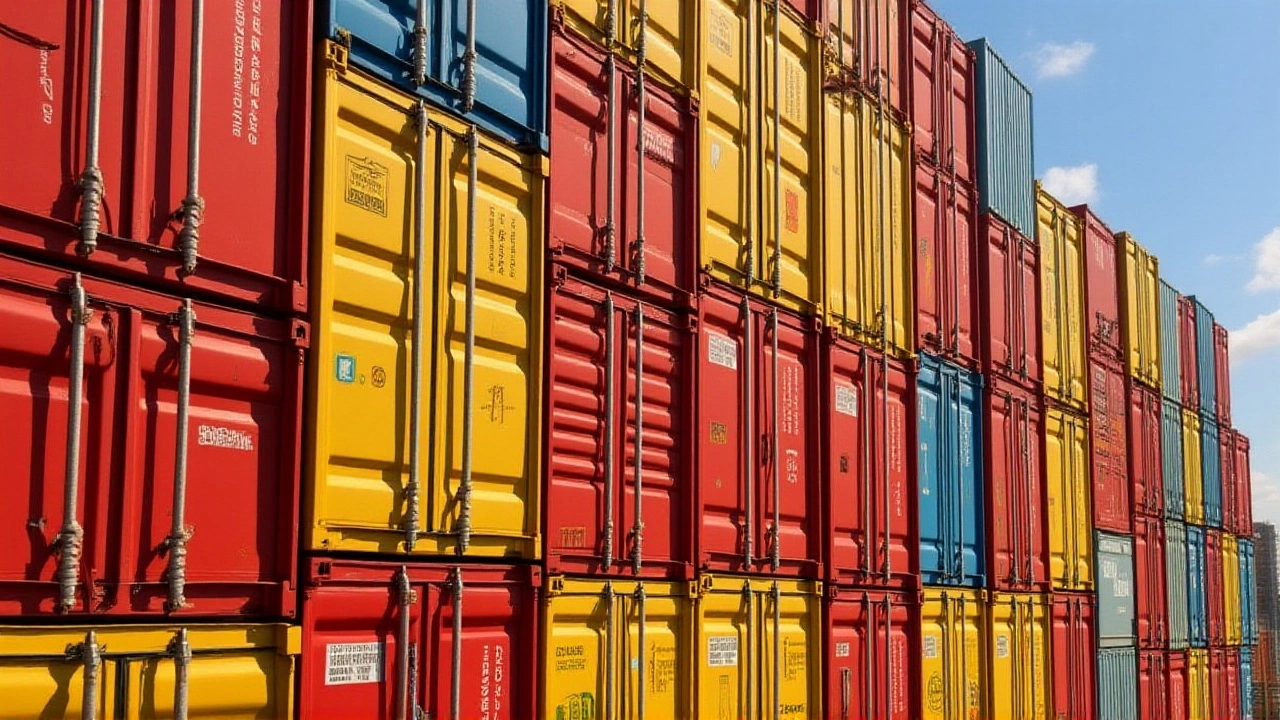
The U.S. federal government collected $195 billion in customs duties during Fiscal Year 2025 — more than 250% of what it took in the year before — marking the highest revenue from import taxes in American history. The surge, confirmed by the final U.S. Department of the Treasury Monthly Treasury Statement, reflects the full impact of aggressive tariff policies enacted under President Donald J. Trump, whose second term began in January 2025. Monthly collections rocketed from $7 billion in January to $30 billion by September, with the second half of the fiscal year alone generating $151 billion — a nearly 300% jump from the same period in FY 2024. For the first time ever, the U.S. crossed the $100 billion threshold in customs revenue before June, hitting $113 billion by mid-year, according to U.S. Customs and Border Protection data cited by Transport Topics.
How Tariffs Became a Revenue Engine
The spike didn’t come from a single policy. It was a cascade. In early 2025, the Trump administration rolled out sweeping tariffs targeting key trading partners. By June, U.S. Department of the Treasury reported $27 billion in duties collected in a single month — a record. That month also saw new 50% duties on Brazilian goods and 25% tariffs on Japanese imports, both announced as part of a broader strategy to pressure nations with large trade surpluses. China, once the primary target, saw its tariffs reduced from 145% to 35% after a framework agreement, but even the lower rate remains historically high. The net effect: importers paid more, and the federal coffers filled up faster than at any point since the 1930s.According to Committee for a Responsible Federal Budget (CRFB), the $195 billion in FY 2025 customs revenue dwarfs the $77 billion collected in FY 2024 — and even eclipses the previous peak of $108.2 billion in FY 2022, which followed the first wave of Trump-era China tariffs. What’s different this time? The breadth. Tariffs now cover not just electronics and steel, but agricultural products, textiles, and even consumer electronics from Southeast Asia. The U.S. Department of the Treasury’s June statement showed total government revenue up 13% year-over-year, with tariffs accounting for nearly half the increase.
Who’s Paying — and Who’s Feeling the Pinch
The burden falls squarely on U.S. importers, who absorb the costs and often pass them on to consumers. But the ripple effects are deeper. The Yale Budget Lab found that the overall effective tariff rate hit 22.5% in 2025 — the highest since 1909. That’s not just a number. It means every $100 of goods entering the U.S. now carries an average $22.50 tax. For small businesses importing components or finished goods, that’s a 20%+ cost hike overnight.Exports are taking a hit too. Retaliatory tariffs from the EU, Japan, and Brazil have made American soybeans, machinery, and aircraft less competitive abroad. The Yale analysis projects U.S. exports will be 18.1% lower than they would’ve been without the tariffs. Real GDP growth is expected to be 0.9 percentage points lower in 2025 and 0.1 percentage points lower in 2026 — translating to $160 billion in lost economic output annually, adjusted for inflation.
“It’s not just about revenue,” said former Treasury official Elena Ruiz in an interview. “It’s about who’s bearing the cost. Right now, it’s American families buying groceries, electronics, and clothes — not foreign governments.”
The Trillion Question
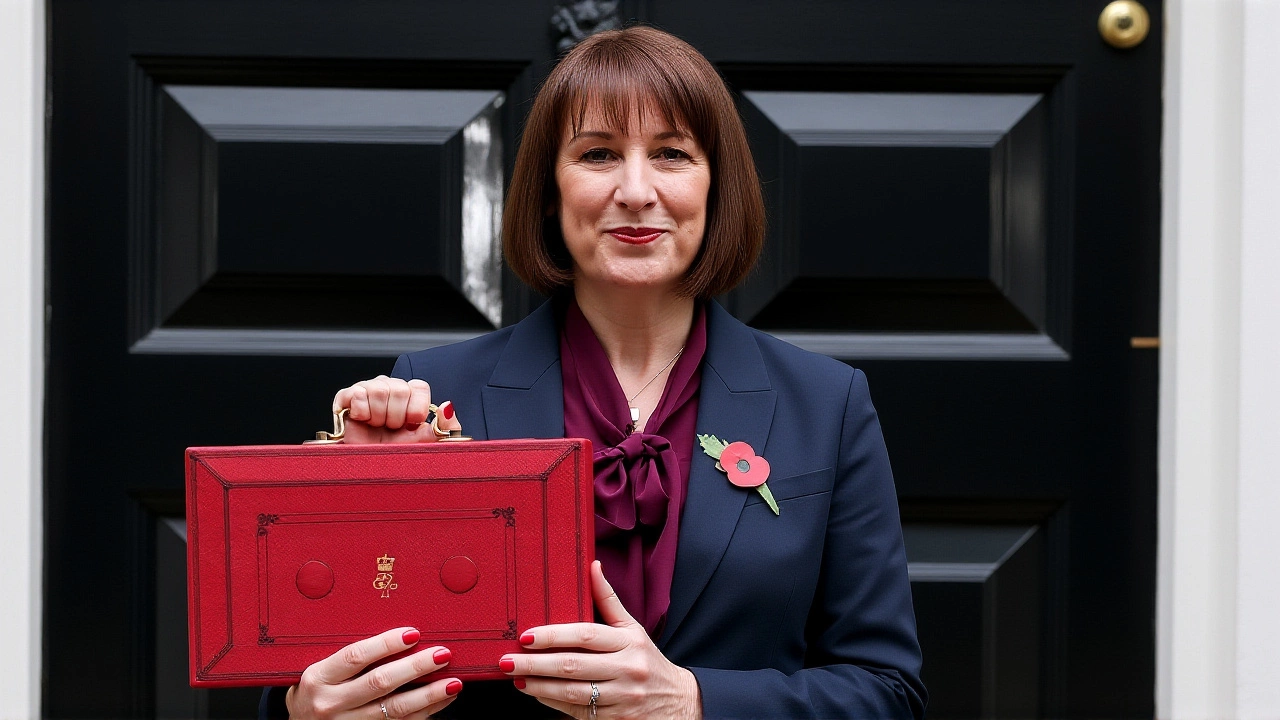
The CRFB estimates that the tariffs enacted since January 2025 will generate roughly $3 trillion in revenue through FY 2035 — before accounting for economic drag. That’s enough to offset two-thirds of the deficit impact from the One Big Beautiful Bill Act (OBBBA) over five years, according to the CRFB’s modeling. But here’s the catch: those projections assume no legal challenges, no court reversals, and no trade wars that shut down supply chains.Already, lawsuits are piling up. In July, a federal district court in New York halted the 50% tariff on Brazilian ethanol, citing lack of statutory authority. The U.S. Department of the Treasury is appealing, but the precedent is set: not all tariffs are bulletproof. Treasury Secretary Scott Bessent told Congress in July that collections could exceed $300 billion by year’s end — but that’s contingent on policies staying in place.
What Comes Next?
The administration is now eyeing tariffs on electric vehicles from South Korea and India, and possibly a blanket 10% surcharge on all imports from nations with currency manipulation practices. Meanwhile, Democrats in Congress are quietly drafting legislation to cap tariff authority and require congressional approval for any new duties above 20%.For now, the revenue keeps flowing. But the economic cost is mounting. The Yale Budget Lab warns that even if tariffs stay, the long-term GDP loss won’t vanish. And if courts start rolling them back — as they did with parts of the 2018 China tariffs — the entire revenue model could unravel.

Historical Context: Tariffs in the Modern Era
Before 2018, U.S. customs duties averaged between $27 billion and $47 billion annually, adjusted for inflation. The 2018 China tariffs pushed it to $108 billion in 2022. Then, in FY 2024, revenue dropped 29% as businesses reordered supply chains and the Biden administration eased some duties. FY 2025’s $195 billion isn’t just a spike — it’s a structural shift. The U.S. is no longer a low-tariff nation. It’s becoming a high-tariff economy, intentionally.That’s a gamble. The goal is to bring manufacturing back. But so far, domestic production hasn’t grown fast enough to offset the decline in imports. The result? Higher prices, slower growth, and a federal budget that’s become dangerously dependent on a volatile, legally shaky revenue stream.
Frequently Asked Questions
Why did customs revenue jump so dramatically in FY 2025?
Customs revenue surged due to a series of aggressive tariff policies enacted by the Trump administration starting in early 2025, including 50% duties on Brazilian goods and 25% tariffs on Japanese imports. These measures, combined with elevated rates on Chinese goods and expanded coverage to new product categories, caused importers to pay significantly more. Monthly collections rose from $7 billion in January to $30 billion by September, driven by both higher rates and increased enforcement by U.S. Customs and Border Protection.
How do these tariffs affect everyday Americans?
U.S. importers typically pass tariff costs to consumers, leading to higher prices on electronics, clothing, furniture, and food products. The Yale Budget Lab estimates real GDP will be 0.6% lower long-term — equivalent to $160 billion in lost annual output. This translates to slower wage growth and reduced purchasing power. Households spending a larger share of income on imported goods, especially lower- and middle-income families, are hit hardest.
Is the $195 billion in tariff revenue guaranteed to continue?
No. Legal challenges are already underway, with courts halting some tariffs for lack of statutory authority. If courts reverse key policies — as they did with parts of the 2018 China tariffs — revenue could drop sharply. Additionally, retaliatory tariffs from trading partners could reduce U.S. exports, shrinking the overall trade volume and, in turn, the tax base. The revenue is highly dependent on policy stability, which remains uncertain.
What’s the connection between these tariffs and the One Big Beautiful Bill Act (OBBBA)?
The Committee for a Responsible Federal Budget estimates that the new tariffs will raise $3 trillion through FY 2035, which could offset about two-thirds of the deficit impact from the OBBBA over five years. This means the tariff revenue is being used as a fiscal cushion for the massive spending bill. However, this assumes the tariffs remain unchanged — a big assumption given legal and political risks.
How does the current tariff rate compare historically?
The effective tariff rate hit 22.5% in FY 2025 — the highest since 1909 and the highest since the late 1930s. For context, the rate averaged under 5% from 1980 to 2018. Even the 2018-2022 tariff wave only pushed it to around 10%. This isn’t just a policy shift — it’s a redefinition of U.S. trade policy, moving away from globalization toward economic nationalism with long-term consequences for supply chains and inflation.
What’s the outlook for U.S. exports under these tariffs?
Exports are projected to be 18.1% lower than they would be without the tariffs, according to the Yale Budget Lab. Retaliatory measures from Brazil, Japan, and the EU have already reduced demand for American soybeans, machinery, and aircraft. This isn’t just about lost sales — it’s about long-term market share. Companies that once dominated global markets are now priced out, and rebuilding those relationships could take decades.